




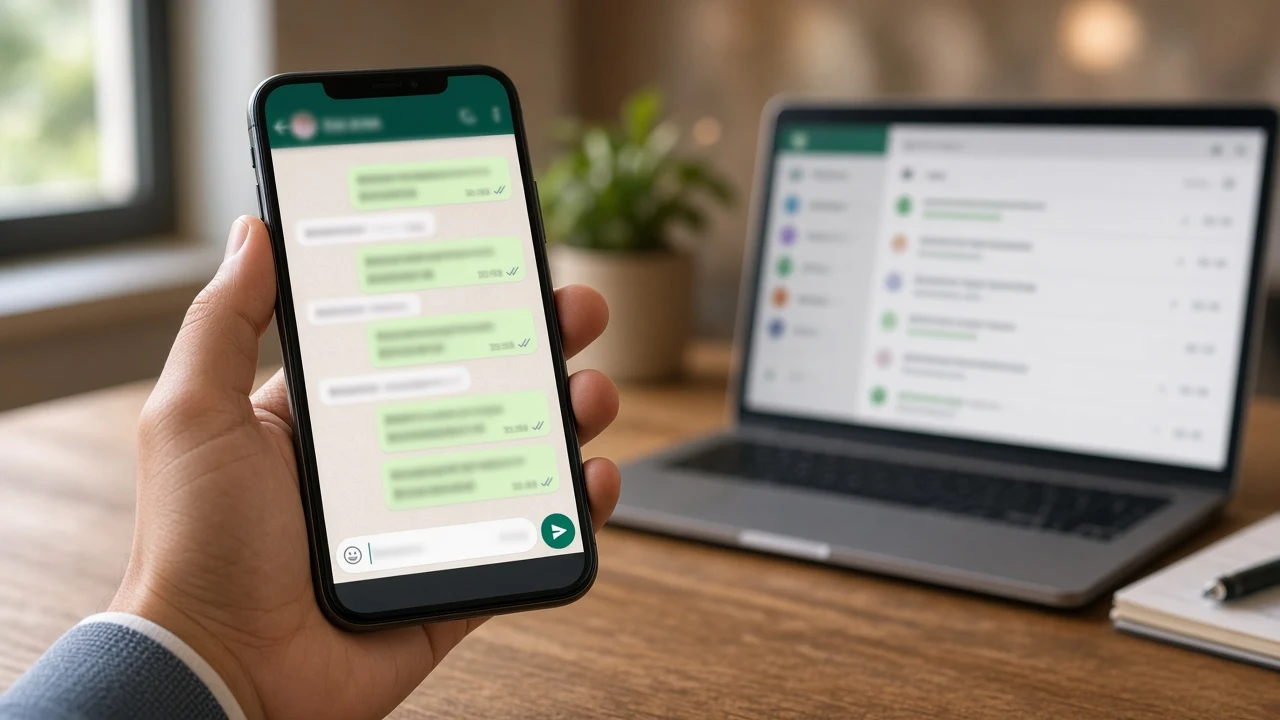
In many small businesses, the same customer is typed again and again. The enquiry comes on WhatsApp. Someone adds it to an Excel sheet. Later it goes into a quotation, then an invoice, then the month-end report. Each copy is a chance for a mistake, and each step takes time.
The fix is simple to explain: keep one record for each customer, and let everything else read from it.
Step 1: Decide what one customer record looks like
Agree as a team on the few details you always need: name, phone number, what they want, who is handling it, and the current stage (new, quoted, ordered, paid). If two people use different words for the same stage, fix that first.
Step 2: Let WhatsApp feed the record
With the WhatsApp Business API, new chats can create or update a customer record on their own. Your sales team still replies from WhatsApp, but nobody has to copy the details into a sheet.
The same goes for website forms and IndiaMART leads. Each source adds to the same list.
Step 3: Make follow-ups automatic
Once every lead has a stage and a follow-up date, reminders can go out on their own: to your sales person to call, or to the customer to confirm a quotation or pay a pending amount.
Step 4: Give the owner a daily view
Instead of asking around or waiting for an Excel report, the owner opens a simple dashboard: new enquiries today, quotations sent, orders confirmed, payments pending. It is always up to date because it reads the same records your team uses.
Start small
You do not need a large CRM on day one. Many businesses start with:
- one shared customer list,
- WhatsApp and website enquiries going into it, and
- a daily summary for the owner.
Once that works, add quotations, invoices and approvals one by one.
The goal is not more software. It is fewer places where the same information lives.